
Skip to content

Eat with
confidence.

Just look
for the logo.

Snack with
confidence.

Just look
for the logo.

Safe to Trade: Protecting the People Who Matter Most

Food safety isn’t just a technical issue—it’s a matter of trust, health, and protection. For families, allergy sufferers, pregnant individuals, older adults, and those with underlying health conditions, the decision of where to eat is deeply personal.
Safe to Trade is designed to protect them.

Every year, an estimated 2.4 million cases of foodborne illness occur in the UK, costing the economy over £10 billion [1]. Dining out is a major contributor, with up to 85% of cases linked to restaurants and takeaways [1]. For vulnerable groups, the risks are amplified—and the need for reassurance is urgent.
Why It Matters for Vulnerable Groups

  • Families and children: Parents want to know the food their children eat is safe. Over 50% of UK consumers have experienced food poisoning in the past five years [2].
  • Allergy sufferers: People with food hypersensitivities are significantly more likely to check hygiene ratings before eating out. Safe to Trade includes checks on allergen controls and menu accuracy [3].
  • Pregnant individuals: Pregnancy heightens vigilance. Those pregnant are 9x more likely to trust food businesses that display recent hygiene ratings [4].
  • Older adults and those with health conditions: These groups often have lower immunity. Safe to Trade provides the visible assurance they need to dine safely.

What Makes Safe to Trade Different?

Unlike static stickers or outdated ratings, Safe to Trade offers:

  • Unannounced audits by qualified professionals.
  • Annual rechecks and continuous monitoring.
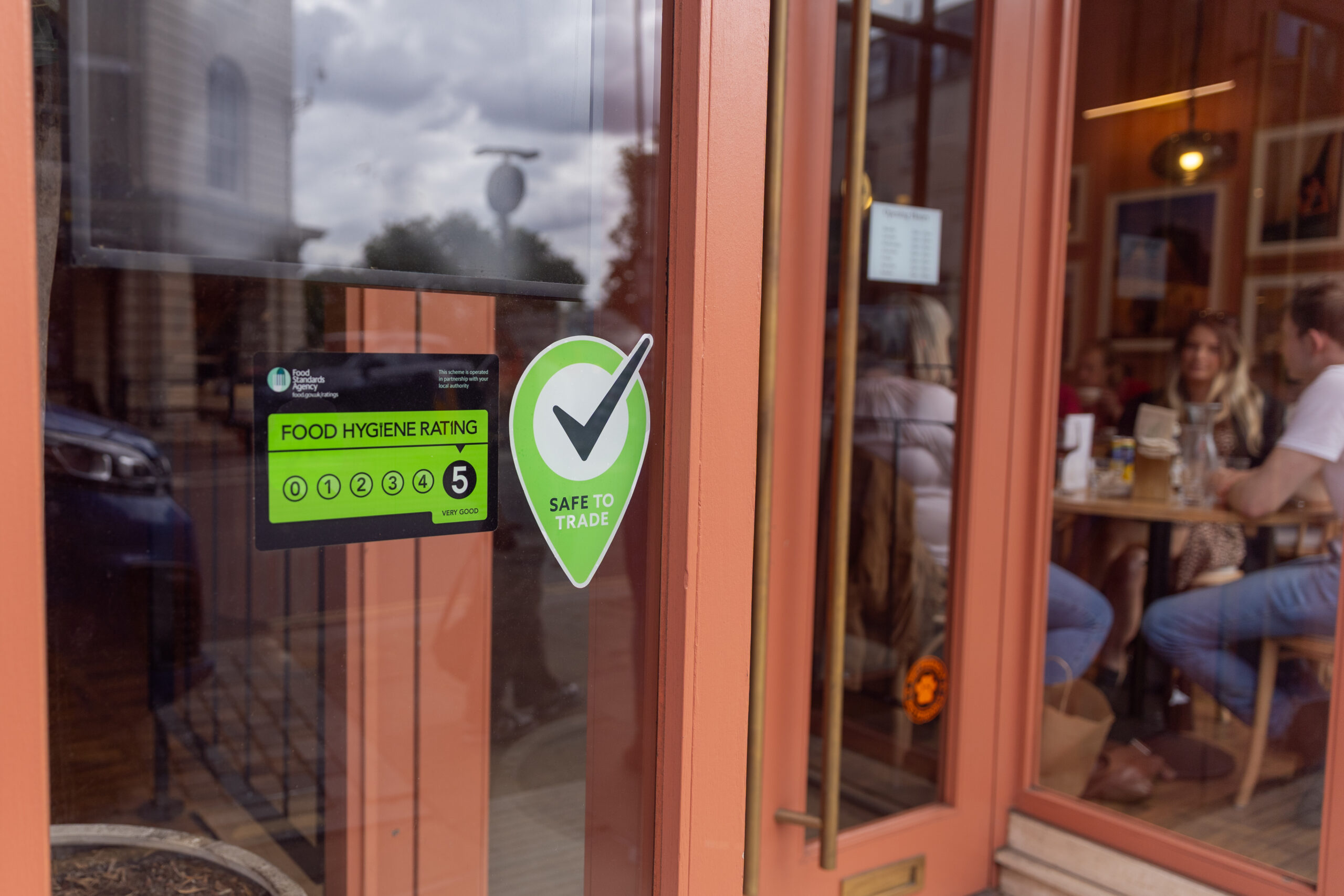
  • Public listings that show a business’s current safety status.
  • Independent governance, ensuring impartiality and integrity [2].

Consumers overwhelmingly prefer businesses that display hygiene information clearly. In fact, 78% actively look for ratings before choosing where to eat [2]. Those who do are more confident in food safety—especially when inspections are recent [4].
Insights That Matter

  • 40% of consumers would only eat at a business with a higher hygiene rating if they or someone they care about were pregnant or had health issues [1].
  • Confidence in food safety drops sharply when inspections are older than a year [4].
  • Consumers who check hygiene ratings are more informed, more cautious, and more likely to trust businesses that are transparent [4].

A Safer Future for Everyone

Post-pandemic and post-Brexit, public awareness of food safety has surged. People want more than promises—they want proof. Safe to Trade responds to this shift with a modern, consumer-first approach that empowers the public and supports responsible businesses.

Whether you’re choosing a café for your child’s birthday, a takeaway during pregnancy, or a restaurant for an elderly relative, Safe to Trade helps you make that choice with confidence.

Because when it comes to food safety, nothing matters more than protecting the people you care about.