Suggested searches

Dr Mark Flanagan reflects on the United Nations Industrial Development Organization (UNIDO), Vienna 4-6 November
I was delighted to be invited by the United Nations Industrial Development Organization (UNIDO) to participate in an expert panel at the Global Quality Forum 2026 in Vienna from 4–6 November. The forum brings together governments, international organisations, industry, academia and quality infrastructure leaders from around the world under the theme “Trust, Trade and Transformation Through Quality.” The Forum explores how standards, accreditation, conformity assessment, digital quality systems and data can strengthen trust, enable resilient global trade and build more sustainable and inclusive value chains.
The panel I contributed to highlighted that food safety, quality, consumer confidence and international trade are deeply interconnected, and the systems we use to provide assurance need to evolve with the world around us. I had the privilege of joining Dr. Elmé Coetzer-Boersma and Tatiana Campos for a fascinating discussion looking at this challenge from very different parts of the global food system. The panel was skilfully moderated by Mr Ali Badarneh, Chief, Food Security and Food Systems Unit, UNIDO.
My contribution focused on the opportunity I believe exists to rethink assurance within hospitality and food service. The growth of delivery platforms, online marketplaces and increasingly complex routes to market is placing new demands on regulatory systems. At the same time, consumers increasingly want visible signals that help them understand whether the businesses they choose to buy from take food safety seriously.
I discussed how voluntary third-party assurance like Safe to Trade can complement the work of regulators, while providing responsible operators with a credible way of demonstrating their commitment to food safety and giving consumers a clearer signal of trust.
By combining structured assurance data with artificial intelligence and human expertise, we can begin to identify trends, detect potential auditing bias and, increasingly, predict where compliance risks may emerge. That creates the opportunity to move from simply recording what has happened towards understanding where attention may be needed next.
Perhaps what excites me most is that Safe to Trade is increasingly becoming part of an international conversation. We are seeing growing interest in the concept from regulators, hospitality and food operators, and consumers around the world. The environments may be different, but the questions are remarkably similar:
I have always been clear that voluntary third-party assurance is not a replacement for regulation or professional regulatory judgement. It is about adding another layer of trusted information that can help regulators focus their resources, help responsible businesses demonstrate their standards and help consumers make better-informed choices.
The next step is collaboration: working with regulators, industry, assurance bodies and international organisations to explore how we can build smarter, more connected systems of food safety assurance capable of meeting the challenges of a rapidly changing world. The opportunity is not simply to inspect more. It is to use assurance, data, AI powered technology and human expertise to understand risk better and ultimately make food safer.
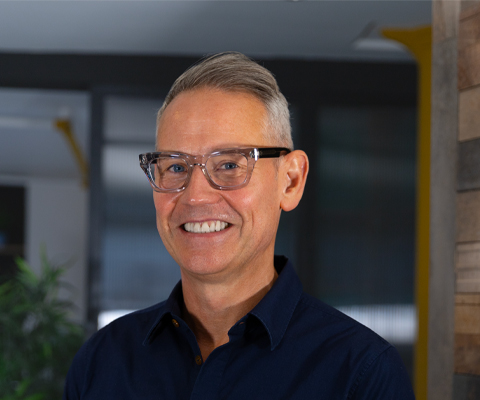
Dr Mark Flanagan FCIEH CEnvH FIFST is the Founder and CEO of Shield Safety Group and Safe to Trade. A Chartered Environmental Health Practitioner and Fellow of both the Chartered Institute of Environmental Health and the Institute of Food Science and Technology, Mark has built a career spanning hospitality operations, environmental health regulation, assurance, and business leadership.
Having worked both as a hospitality operator and as a regulator, Mark brings a unique perspective to compliance and public protection. He understands the realities of running hospitality businesses while also appreciating the challenges faced by regulators responsible for protecting consumers. These experiences led him to create Safe to Trade, a global assurance programme designed to build trust between businesses, regulators, certification bodies, and consumers.
Mark is a recognised international speaker on food safety, regulatory innovation, third-party assurance, and artificial intelligence, and is passionate about using technology and data to improve standards and public health outcomes worldwide.