Suggested searches

Safe to Trade is the UK’s first voluntary third-party assurance (vTPA) programme tailored specifically for the hospitality and catering sectors. Developed in collaboration with regulators, industry experts, and food business operators. It sets a comprehensive benchmark for food safety, hygiene, allergen control, labelling, and front-of-house cleanliness—areas critical to public health and consumer confidence.
For regulators, Safe to Trade offers a modern, data-driven tool to complement official controls. Businesses approved under the scheme undergo unannounced audits by qualified Environmental Health Practitioners and are subject to ongoing monitoring. The scheme aligns with UK food law and supports earned recognition principles, enabling regulators to better target limited resources toward higher-risk establishments.
About Safe to Trade
Safe to Trade provides regulators with access to valuable compliance insights, helping inform risk profiling and strategic planning. It also supports transparency and public trust through a visible register of approved businesses. As local authorities face increasing pressures and inspection backlogs, Safe to Trade offers a credible, scalable solution to strengthen the national control system—without compromising safety.
By integrating Safe to Trade into regulatory frameworks, authorities can enhance oversight, protect public health, and support a thriving, trusted hospitality sector.
Search the directoryFood safety is personal. Over half of UK consumers have experienced food poisoning in the past five years, and trust in food hygiene inspections is increasingly tied to visibility, frequency, and transparency. Yet, local authorities face mounting pressures—staff shortages, inspection backlogs, and rising consumer expectations—making it harder to deliver the reassurance the public demands.
Consumers want more than a sticker. They want real-time confidence. 78% actively seek hygiene ratings before eating out or ordering takeaway, and confidence is highest when inspections are recent and risk-based. Vulnerable groups—pregnant individuals, those with food hypersensitivities, and low-risk appetites—rely on visible safety signals to make informed choices .
Safe to Trade meets this moment. It complements official controls with ongoing, expert-led verification—empowering regulators, supporting local authorities, and restoring public trust in food safety.

Since its launch in 2010, the Food Hygiene Rating Scheme (FHRS) has played a pivotal role in improving food hygiene compliance across UK hospitality. Its transparency and consumer-facing ratings have empowered safer dining choices and driven industry-wide improvements. Safe to Trade builds on this legacy—not by competing, but by complementing FHRS with a broader, deeper, and more dynamic approach to food safety assurance.
Safe to Trade is designed to meet the evolving expectations of consumers, regulators and food business operators (FBOs). It incorporates all hygiene and safety elements assessed under FHRS, while expanding into critical areas not currently covered—such as allergen control, food labelling, front-of-house hygiene, and real-time customer feedback.
Safe to Trade is governed by an Independent Governance Board (IGB), comprising experts from regulatory, academic, and industry backgrounds. The IGB ensures the scheme is managed with integrity, transparency, and alignment to public health priorities .
The Technical Standards Committee (TSC) is responsible for keeping the Safe to Trade Standard current and aligned with legislation. This expert group meets quarterly, conducts horizon scanning, and oversees stakeholder consultations to ensure the Standard reflects best practice.
Certification Bodies must meet or be working toward ISO/IEC 17065 accreditation. They operate independently from the scheme owner and are subject to integrity audits, impartiality committees, and strict conflict-of-interest controls.
The Stakeholder Engagement Forum (SEF) brings together regulators, Certification Bodies, food businesses, and consumers to provide feedback and shape the scheme’s evolution.
Together, these layers of governance ensure Safe to Trade is robust, impartial, and regulator-ready.
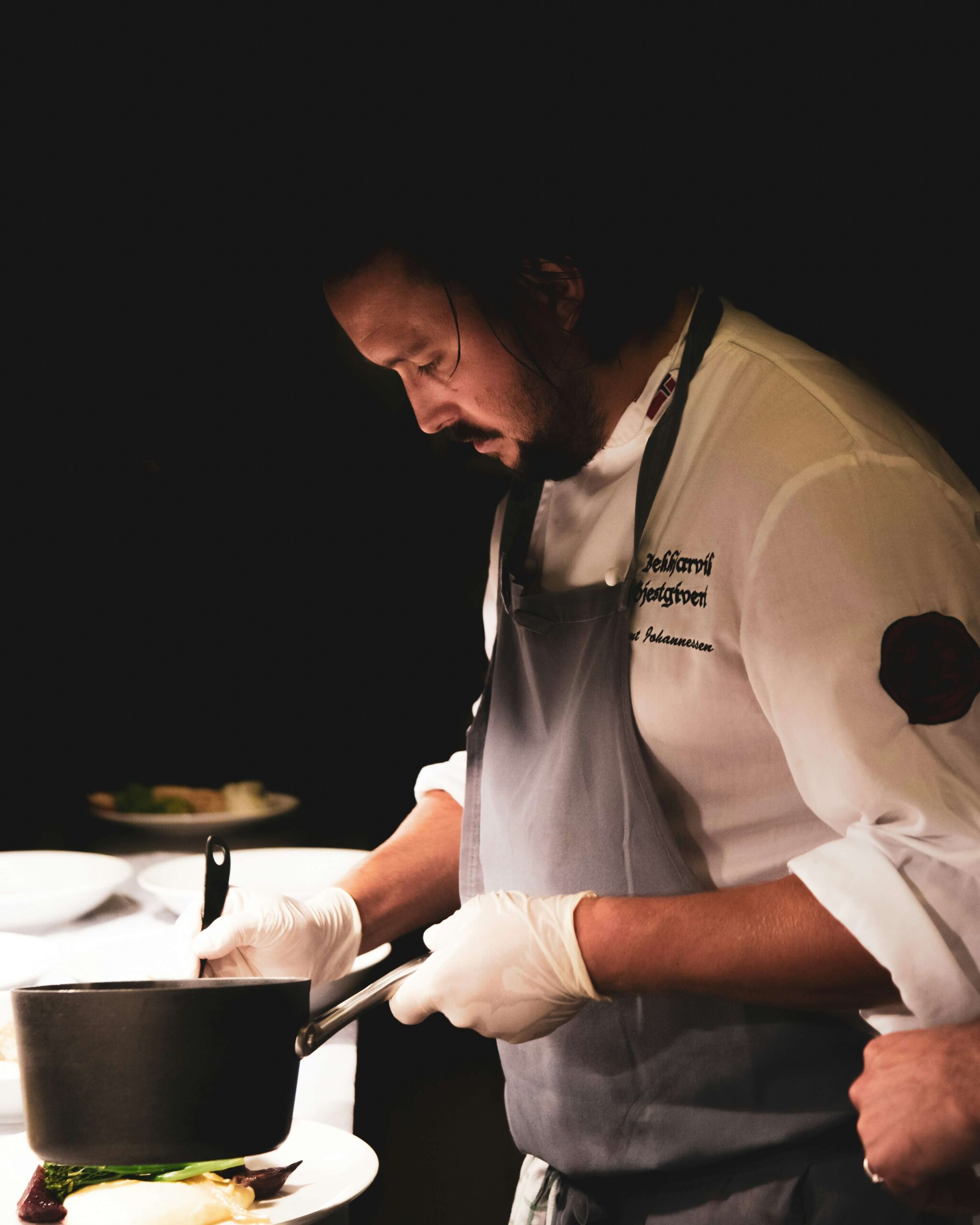

“Achieving the Safe to Trade certification is a testament to our unwavering commitment to both food safety and customer satisfaction. It highlights our continuous efforts and dedication to upholding the highest standards across every aspect of our operations. Our guests can enjoy our food with confidence, knowing that we prioritize not only exceptional-tasting dishes but also the safety and well-being of everyone who visits any of our brands. This certification marks a significant milestone in our ongoing journey to deliver quality our guests can trust.”
You can download the full Safe to Trade Hospitality UK Food Safety and Hygiene Standard (v1.4) as a free PDF—a comprehensive, assured guide aligned with UK food safety legislation and Primary Authority Assured Advice.
Prefer a printed copy?
A professionally bound version is available to purchase below.
Download the Safe to Trade Hospitality UK Food Safety and Hygiene Standard (v1.4)
Sharper Oversight with Less Resource Local authorities face inspection backlogs and declining staff numbers. Safe to Trade fills the gap with annual unannounced audits, real-time compliance tracking, and status alerts—helping regulators focus on high-risk businesses and reduce foodborne illness.
Data That Drives Smarter Decisions Safe to Trade provides regulators with industry-standard insights, including consumer feedback, audit outcomes and risk flags. This supports earned recognition, strategic planning, and more effective enforcement.
Built on Consumer Trust Consumers expect frequent, transparent inspections. Research shows confidence spikes when inspections are recent and risk-based. Safe to Trade meets this demand with visible certification, QR-linked feedback, and a public register that reflects real-time safety status.
Robust, Credible, and Aligned Safe to Trade aligns with Codex vTPA guidelines and UKAS accreditation standards. It’s governed by an Independent Board and backed by Primary Authority Assured Advice—ensuring credibility, impartiality, and trust.
Designed for Today’s Food Landscape From dark kitchens to allergen risks, Safe to Trade covers what FHRS can’t—labelling, allergen control, front-of-house hygiene and more. It’s scalable, tech-enabled, and ready to support regulators in a rapidly evolving sector.